THE CAR IS
ALREADY FAST.
YOU'RE THE
VARIABLE.
A concrete-and-rubber training compound where amateur drivers learn to brake later, turn earlier, and shave tenths off lap times until the car becomes an extension of their spine.
THE GAP IS
MEASURABLE.
The same corner. The same car. The same conditions. Every comparison below is from actual telemetry — one trace in concrete, one in ruby. The gap between them is where your lap time lives.
BRAKING POINT
Untrained drivers brake early and progressively — a safety reflex from road driving. Academy graduates brake at maximum deceleration, hold it longer, and release with precision. The braking zone becomes a weapon.
STEERING CORRECTIONS
Every steering correction scrubs speed and destabilizes the car. Trained drivers commit to a single, deliberate input. Fewer corrections means the tyre contact patch stays loaded — which means more grip where it counts.
CORNER EXIT SPEED
Exit speed compounds. Every mph you're down at the apex carries a deficit down the entire straight. Academy drivers use geometric apexes and precise weight transfer to maximize exit speed — the delta builds lap after lap.
WHERE ARE YOU
ON THESE TRACES?
FROM PLATEAU
TO PRECISION.
Four modules. Each one builds on the last. Each one has data to prove the gain. You don't graduate a module until the telemetry says so.
THRESHOLD BRAKING
Maximum deceleration without locking. The tyre is at its limit — any more pressure and you're sliding, any less and you're leaving time. Academy drivers learn to find and hold this threshold by feel, not by landmark.
We use data acquisition to show drivers exactly where they're releasing pressure early. Most lose 0.3 seconds per corner at this single point. Over a lap of Silverstone, that's 3.6 seconds. That's the gap between the paddock and the podium.
TRAIL BRAKING
Trail braking is the technique that separates club racers from professional drivers. You continue braking as you turn in — the front axle loads, the rear lightens, and the car rotates on its axis. Done correctly, it's the fastest way through any corner.
It feels wrong. Road driving trains you to brake, release, then turn. Trail braking reverses this instinct. Academy drivers spend two full sessions unlearning the road reflex before they can begin to use it as a tool.
WEIGHT TRANSFER
The car weighs the same at every point of the lap. But where that weight sits — front, rear, left, right — changes entirely based on how you use the inputs. Academy drivers learn to feel the car's weight as a tool, not a consequence.
Throttle application is the most misunderstood skill in performance driving. Untrained drivers use binary inputs — on or off. Trained drivers modulate throttle in relationship to grip availability, managing weight transfer in real time.
RACECRAFT
Racecraft is the discipline of going fast in traffic. Defending a line, setting up a pass three corners early, managing tyre temperature through a safety car period. It's chess at 150 mph, and it's where raw pace becomes race wins.
The final module is reserved for drivers who have mastered the first three. We put you in a session with three other academy drivers and give you no instruction. The data tells us everything — who's racing, who's just driving fast.
WHICH DRIVER
ARE YOU?
Three types of driver. One diagnosis. The assessment lap tells us everything we need to know in the first session.
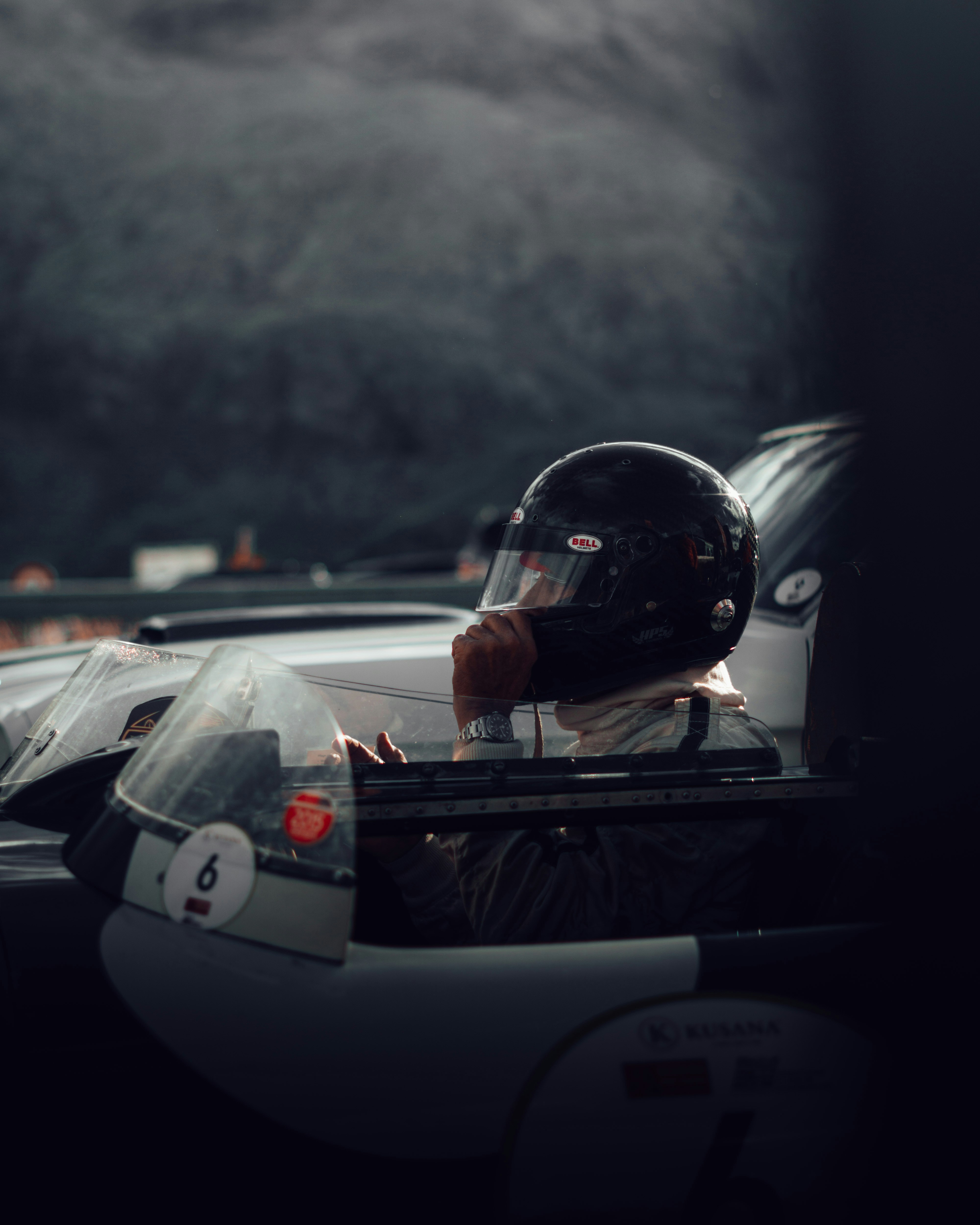
You're fast. You're stuck.
You've been lapping the same circuit for two seasons and the times aren't moving. You've bought the tyres, learned the lines, and watched every onboard on YouTube. The problem isn't knowledge — it's feel. You need a coach with data, not opinions.
Most plateau drivers are making the same three errors in every corner. We find them in the first session. You leave with a specific correction list and the data to verify you've fixed it.
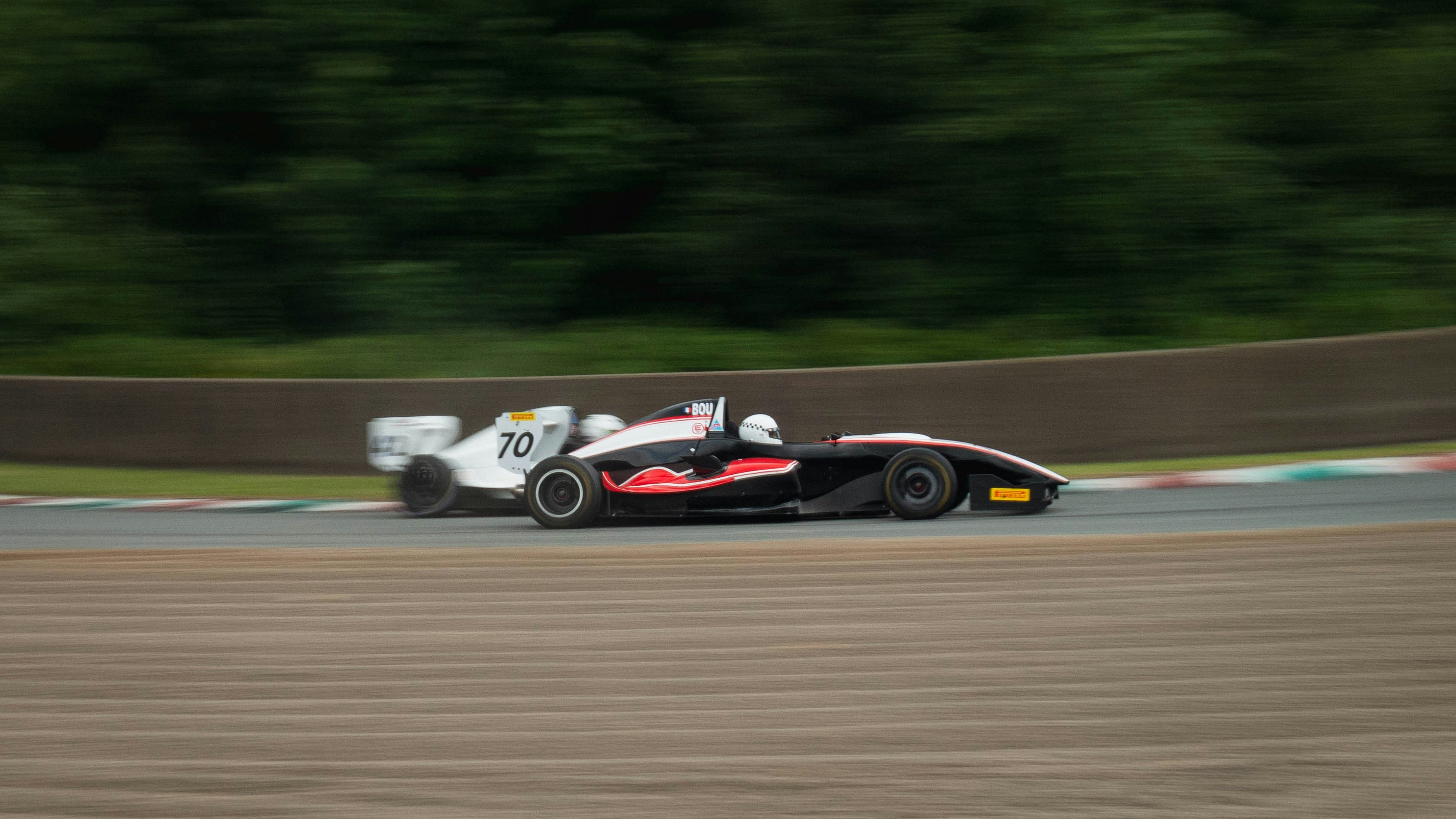
The kart was simple. This is different.
Karting teaches you to be fast, but formula cars have suspension, aerodynamics, and a hundred kilograms of metal you're not used to. The inputs are bigger, the consequences are faster, and the physics are completely different. We bridge that gap.
We work with karting graduates stepping into Formula 4, Formula Ford, and regional single-seater series. The curriculum is specific to the transition — not generic car control.
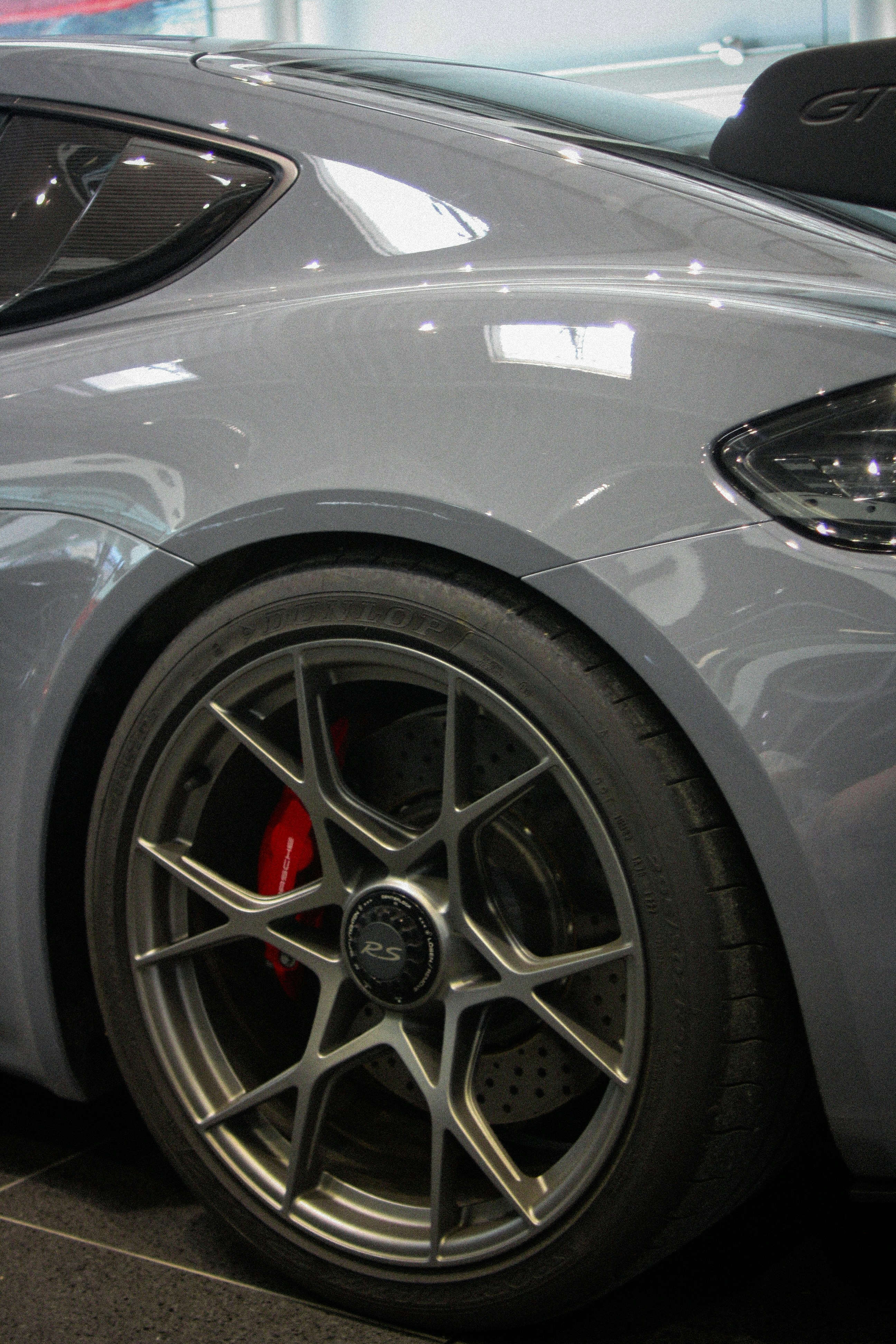
You're using 40% of it.
You bought a machine capable of 1:45 at Silverstone. On a good day you're running 2:02. The car isn't the variable — you are. We've coached over 80 GT3 and supercar owners to lap times they didn't believe were possible. The car was always fast enough.
GT3 and supercar owners have a specific challenge: the car is too forgiving to teach you anything. We create the conditions where the car gives you feedback, then teach you to read it.
WHAT HAPPENS
ON DAY ONE.
The assessment lap isn't a taster day. It's a diagnostic session. You leave with a lap time delta, a correction list, and a training plan. We don't waste a lap.
DATA INSTALL
We mount data acquisition hardware to your car — or use ours. Speed, steering angle, throttle position, brake pressure, lateral G. Every input logged at 100Hz.
INSTALLATION LAP
You drive three laps as you normally would. No coaching. No instruction. We need to see your natural driving before we begin. The data is already showing us everything.
DIAGNOSIS SESSION
Your coach reviews the data with you, corner by corner. We identify the three highest-value corrections for your specific driving style. No generic advice — everything is in the numbers.
COACHED LAPS
Back on track with radio coaching. Your coach watches the live telemetry and communicates in real time. You apply one correction at a time. The data confirms when each one sticks.
DEBRIEF + PLAN
End of day debrief with your full data report. Lap time delta. Sector improvements. A specific training plan for your next session. You leave knowing exactly what to work on.
THE NEXT STEP IS
ONE LAP AWAY.
Select a circuit, a car category, and a date. No form on this page — the click takes you to the scheduling page. The car is ready. The data system is ready. The only question is whether you are.